Theme · Trier
Roman Heritage
Trier carries the legacy of a Roman imperial residence north of the Alps. Founded as Augusta Treverorum in 17/16 BC, by the 4th century it was one of the most important residences of the Roman Empire. Today the cityscape is woven through with ancient buildings in remarkable condition.
Sights
Innenstadt (Old Town)
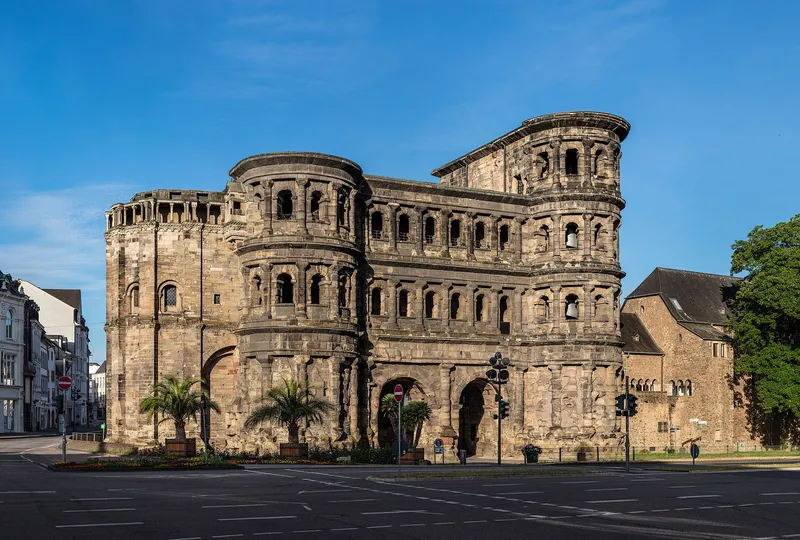
Porta Nigra (the Black Gate)
The Black Gate, Trier's landmark and the best-preserved Roman city gate north of the Alps.
From 4 €
Innenstadt (Old Town)
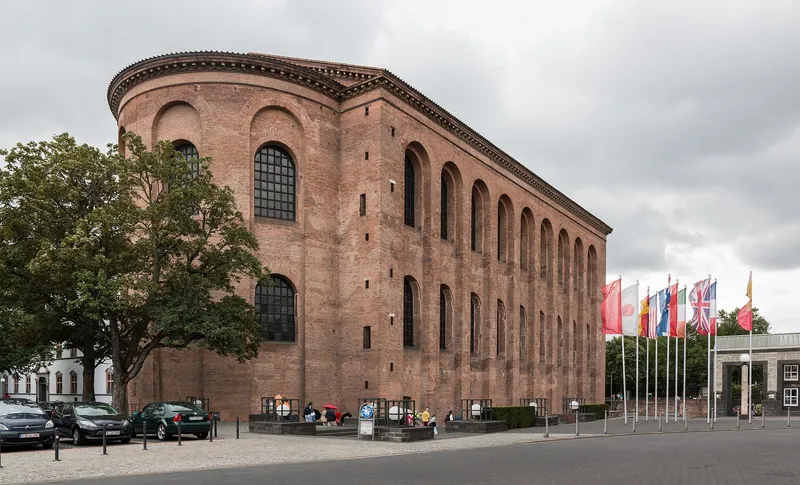
Konstantinbasilika (Basilica of Constantine)
The ancient throne hall of Emperor Constantine, today the city's main Protestant church. A 27 m high hall with no internal supports.
Free admission
Trier-Süd
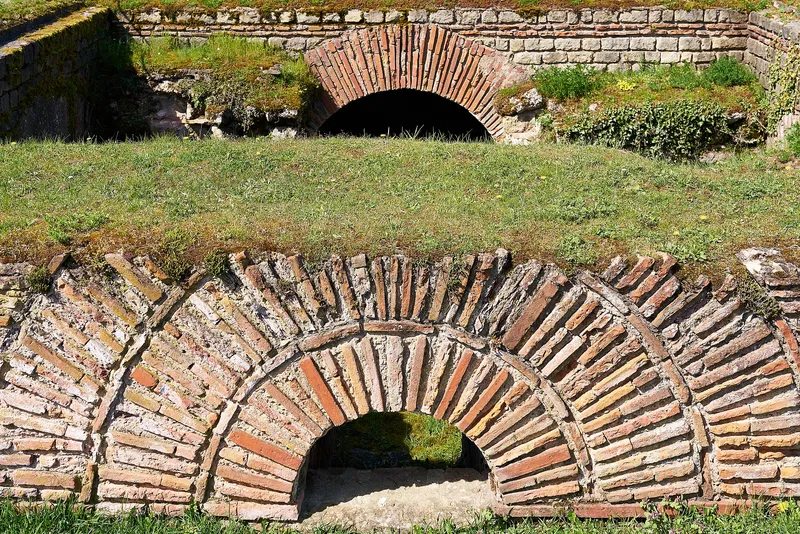
Imperial Baths (Kaiserthermen)
Monumental Roman bath ruins. Visitors can explore apses, hypocaust channels, and the underground service tunnels.
From 4 €
Trier-Süd
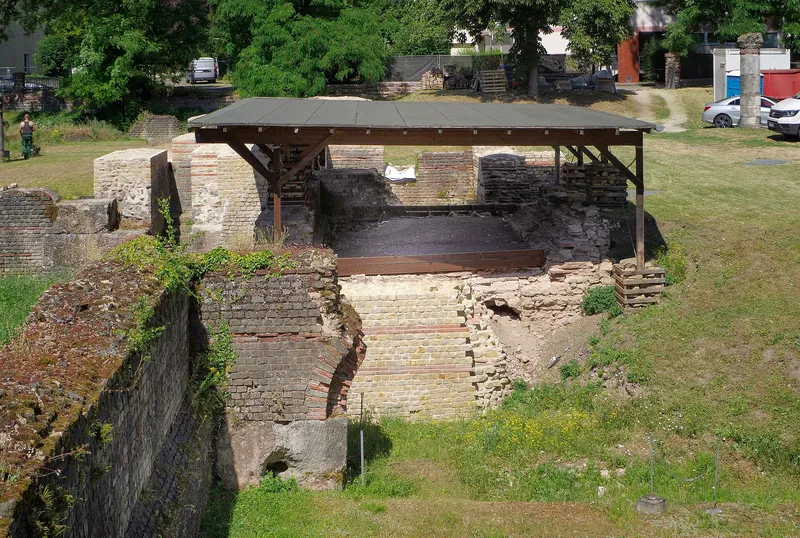
Barbara Baths (Barbarathermen)
The older and larger sibling of the Imperial Baths. An open-air field of ruins.
Free admission
Trier-Süd
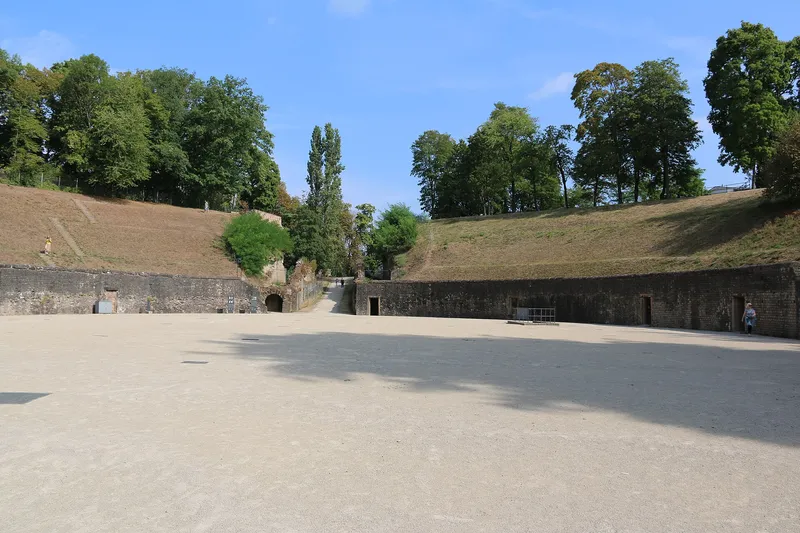
Trier Amphitheater
UNESCO-listed amphitheater with underground lift shafts. In summer it hosts the Antikenfestspiele (ancient world festival).
From 4 €
Innenstadt (Old Town)
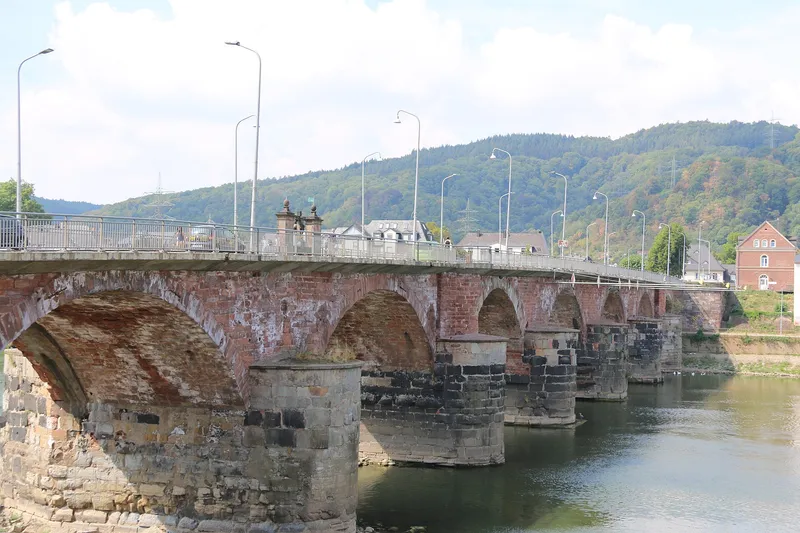
Roman Bridge (Römerbrücke)
The oldest bridge in Germany north of the Alps. Its Roman piers date to 144 AD.
Free admission
Euren
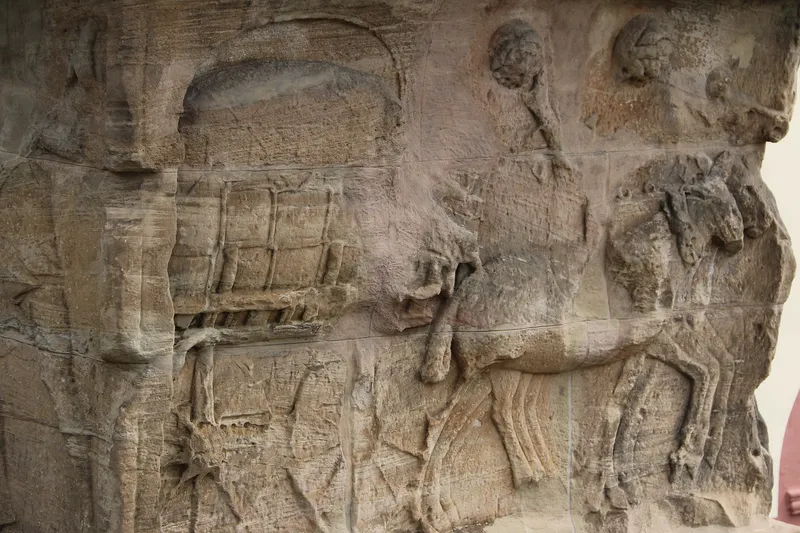
Igel Column (Igeler Säule)
A Roman funerary column in the Trier suburb of Igel. 23 m tall and richly decorated.
Free admission
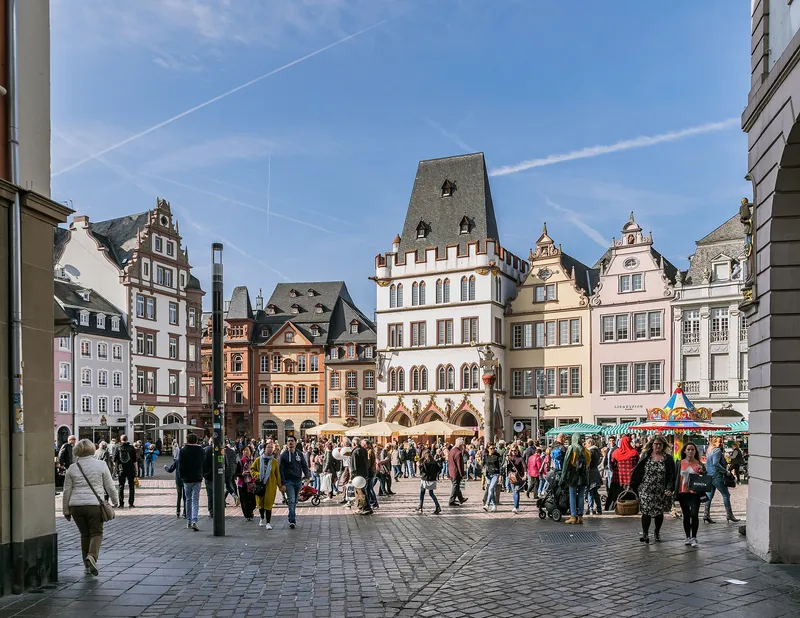
Innenstadt (Old Town)
Hauptmarkt (the main market square) with Market Cross
Trier's market square since 958. The Steipe, Petrusbrunnen fountain, Market Cross, and Rotes Haus all stand here.
Free admission
Innenstadt (Old Town)
Dreikönigenhaus (House of the Three Magi)
A medieval residential tower on the Simeonstrasse. Entrance on the first floor, a typical defensive house.
Free admission

Innenstadt (Old Town)
Rheinisches Landesmuseum (Rhineland State Museum)
One of Europe's most important museums of antiquity. Mosaics, gold coins, and the model of Roman Trier.
From 8 €