
Wahrzeichen
Electoral Palace (Kurfürstliches Palais)
Innenstadt (Old Town) · Free admission
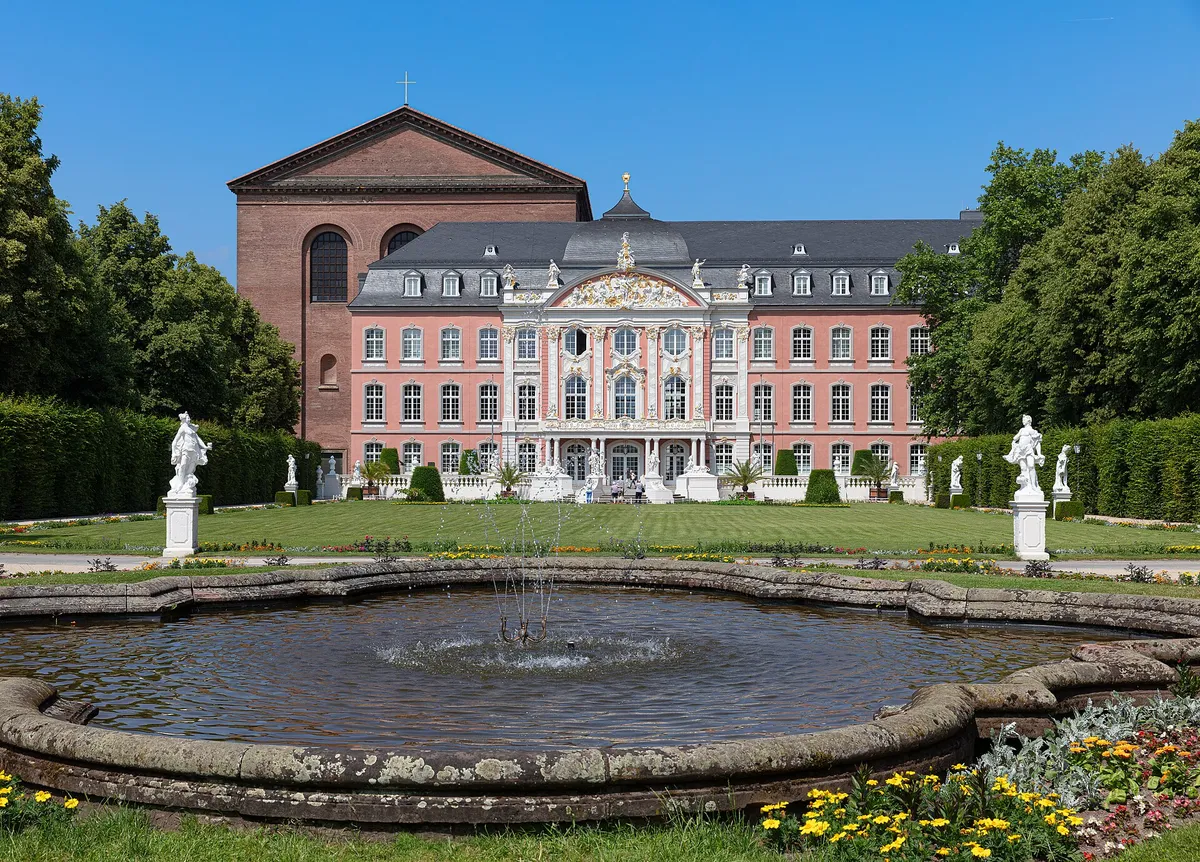
The Electoral Palace stands on the foundations of a Renaissance residence of the prince-electors, redesigned in the 18th century by Johannes Seiz in the Rococo style. It now serves as an administrative seat, while the palace gardens are open to the public and host open-air concerts in summer.
The Baroque sculptures from the workshop of Ferdinand Tietz, one of the most important Rococo sculptors of his time who had previously worked under Balthasar Neumann in Würzburg, define the character of the palace garden. The figures in the garden today are replicas. The surviving originals are kept in the nearby Stadtmuseum Simeonstift next to the Porta Nigra, where they are protected from weather and damage.
The current garden layout is younger than the palace itself: it was only redesigned in the 1930s and follows the model of 18th-century French Baroque gardens with symmetrical paths, lawn parterres and water basins. The original electoral garden had been largely destroyed in 1794 by French Revolutionary troops, and many of the original Tietz sculptures were severely damaged.
Set between the Kurfürstliches Palais (Electoral Palace), the Konstantinbasilika and the Rheinisches Landesmuseum, the Palastgarten today forms a green oasis in the heart of the city. Admission is free, and the park combines well with a visit to the surrounding sights. In the summer months it regularly serves as a backdrop for open-air concerts and events.
Themes
More in Innenstadt (Old Town)
Innenstadt (Old Town)
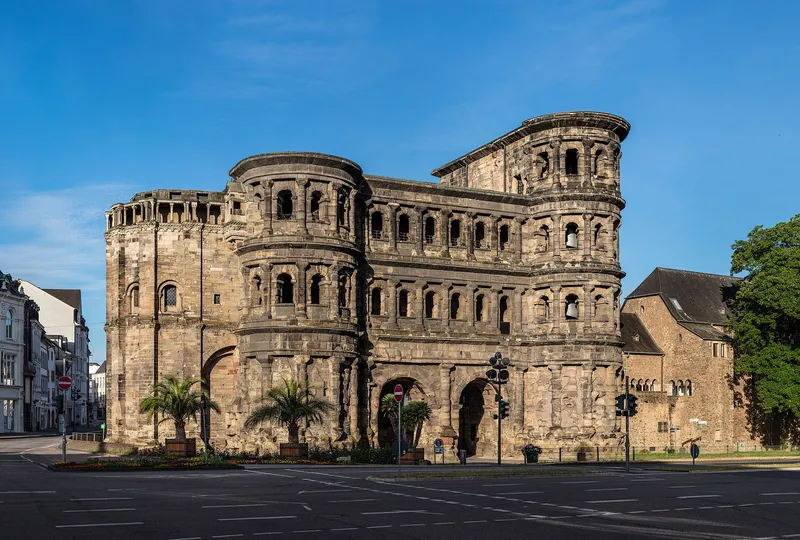
Porta Nigra (the Black Gate)
The Black Gate, Trier's landmark and the best-preserved Roman city gate north of the Alps.
From 4 €
Innenstadt (Old Town)
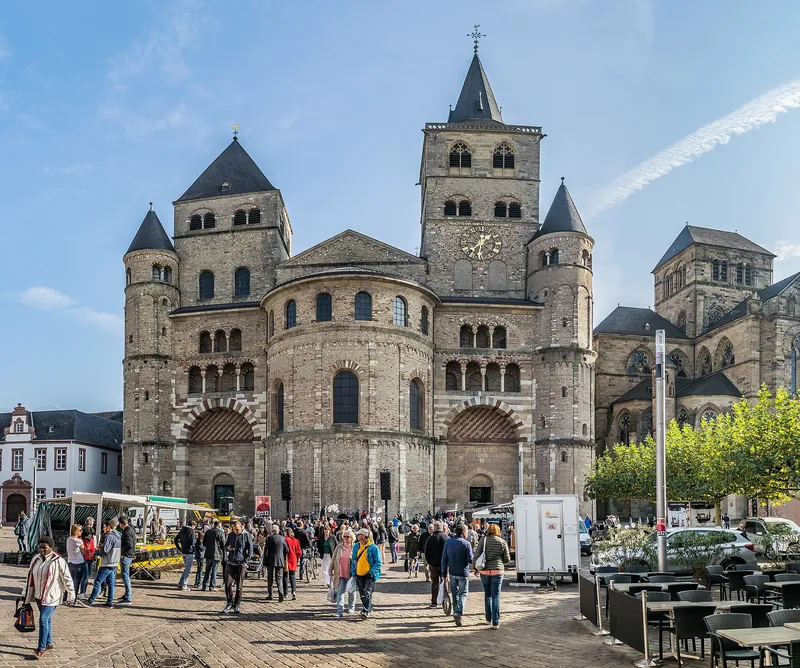
Trier Cathedral (Dom St. Peter)
Germany's oldest bishop's church. Home to the Holy Robe, the cathedral treasury, and Romanesque mass right on the Hauptmarkt (the main market square).
Free admission
Innenstadt (Old Town)
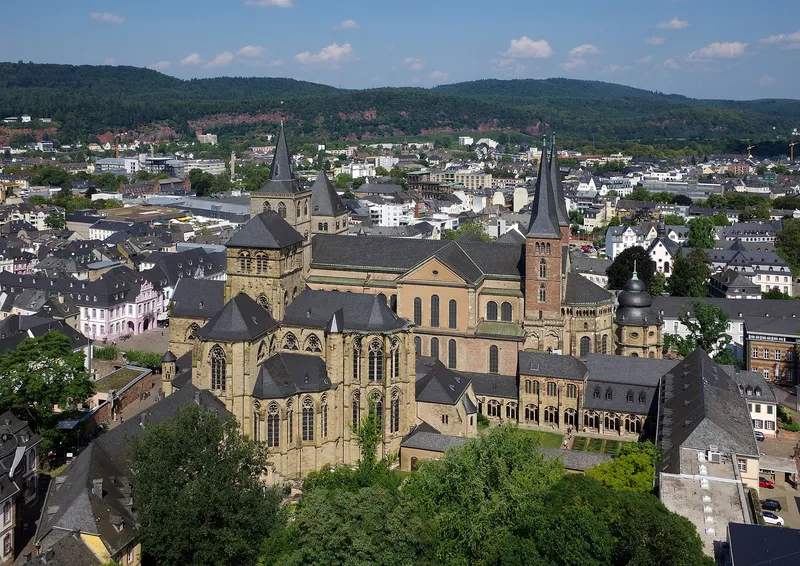
Liebfrauenkirche (Church of Our Lady)
One of the oldest Gothic churches in Germany, right next to the cathedral.
Free admission